I often get asked whether CBD can lead to a failed drug test. It’s a valid concern, especially for those using CBD for its potential benefits. While CBD itself isn’t typically a problem, the presence of THC in some products complicates things. This raises important questions about how to choose the right CBD. What should you look for to ensure you’re safe? Let’s explore this further.
Key Takeaways
- Full-spectrum CBD products may contain trace amounts of THC, which can accumulate and potentially lead to a positive drug test.
- Standard drug tests primarily screen for THC metabolites, not CBD, but any THC present could still affect results.
- Urine tests can detect THC metabolites for 1-30 days, depending on usage and individual metabolism.
- CBD isolate is free from THC, significantly reducing the risk of failing a drug test compared to full-spectrum products.
- Always check third-party lab results and Certificates of Analysis to verify THC content in CBD products before use.
Understanding CBD and Its Origins
Although many people associate cannabis with getting high, CBD, or cannabidiol, offers a different experience. I’ve found that CBD is derived from the hemp plant, which is a variety of cannabis that contains minimal THC, the psychoactive compound responsible for that high. Unlike THC, CBD doesn’t alter my state of mind. Instead, it interacts with my body’s endocannabinoid system, promoting balance without the intoxicating effects.
I’ve read that CBD has been used for centuries, tracing its origins back to ancient cultures that valued the plant for its medicinal properties. Today, it’s become popular in various forms—oils, gummies, and creamsmaking it accessible to many. What amazes me is how people are discovering its potential benefits, from alleviating anxiety to aiding sleep. By understanding CBD’s origins and its distinct characteristics, I can appreciate its role in wellness without the fear of impairment.
The Role of THC in Drug Testing
While exploring CBD, it’s important to understand the role of THC in drug testing. THC, or tetrahydrocannabinol, is the psychoactive component of cannabis that can trigger positive results on drug tests. If you’re using CBD products, especially those labeled as full-spectrum, you might unknowingly consume THC. Even trace amounts can accumulate in your system over time, leading to potential issues during drug screenings.
Most standard drug tests screen for THC metabolites rather than CBD, so if you’re concerned about passing, it’s crucial to know what’s in your CBD product. I recommend checking for third-party lab results to ensure the THC content is minimal or non-existent. Remember, even legal CBD can sometimes contain THC, which might affect your test results. So, always choose wisely and stay informed about what you consume.
Full-Spectrum vs. CBD Isolate
When choosing between full-spectrum CBD and CBD isolate, it’s essential to understand their differences and potential impacts on drug testing. Full-spectrum CBD contains a range of cannabinoids, including trace amounts of THC, while CBD isolate is purely CBD, free from other compounds. I’ve found that full-spectrum products can provide an “entourage effect,” enhancing the therapeutic benefits through the synergy of all cannabinoids. However, that tiny bit of THC might raise concerns for those worried about drug tests.
On the other hand, CBD isolate is a safer bet if you’re aiming to avoid any THC exposure completely. It offers the benefits of CBD without the risk of testing positive for THC. Ultimately, the choice depends on your needs and how comfortable you feel with the potential risks. Just remember to research the product’s source and lab results to ensure quality and transparency.
How Drug Tests Detect THC
Understanding how drug tests detect THC is crucial if you’re considering using CBD products. Most drug tests, especially urine tests, look for THC metabolites, particularly THC-COOH. These metabolites can linger in your system long after the effects of THC have worn off.
Here’s a simple breakdown of how tests work:
| Test Type | Detection Method | Detection Window |
|---|---|---|
| Urine Test | Immunoassay | 1-30 days |
| Blood Test | Gas Chromatography | Hours to 1 week |
| Hair Follicle Test | Mass Spectrometry | Up to 90 days |
If you’re using full-spectrum CBD, you might be at a higher risk of testing positive due to the presence of trace THC. So, knowing how these tests work can help you make informed choices about the products you use.
Factors Influencing Drug Test Results
Several factors can impact the results of drug tests, especially when it comes to detecting THC. First, the type of drug test matters. Urine tests are the most common, but blood and hair tests can also be used, each with different detection windows. Next, the frequency of cannabis use plays a huge role; occasional users may clear THC faster than habitual users.
Metabolism is another key factor. I’ve learned that everyone’s body processes substances differently, affecting how long THC lingers in the system. Additionally, the potency of the CBD product can influence results. Some CBD oils may contain trace amounts of THC, which could show up on a drug test. Lastly, hydration levels might affect urine concentration, though this isn’t a foolproof method. Understanding these factors can help you make informed choices regarding CBD and potential drug testing outcomes.
The Importance of Product Labeling
While you might think all CBD products are created equal, the reality is that product labeling plays a crucial role in your experience and safety. When I shop for CBD, I always check for clear and accurate labels. They should list the amount of CBD per serving, the presence of THC, and any other ingredients. This transparency helps me avoid unwanted surprises, especially if I’m concerned about passing a drug test.
I look for third-party lab testing results on the label, as these verify the product’s contents and purity. If a brand skips this information, I question its credibility. I’ve learned that misleading labels can lead to consuming products with higher THC levels than expected, which could trigger a positive drug test. So, take a moment to read the labels carefully; it can save you from future headaches and ensure you’re making informed choices about your CBD use.
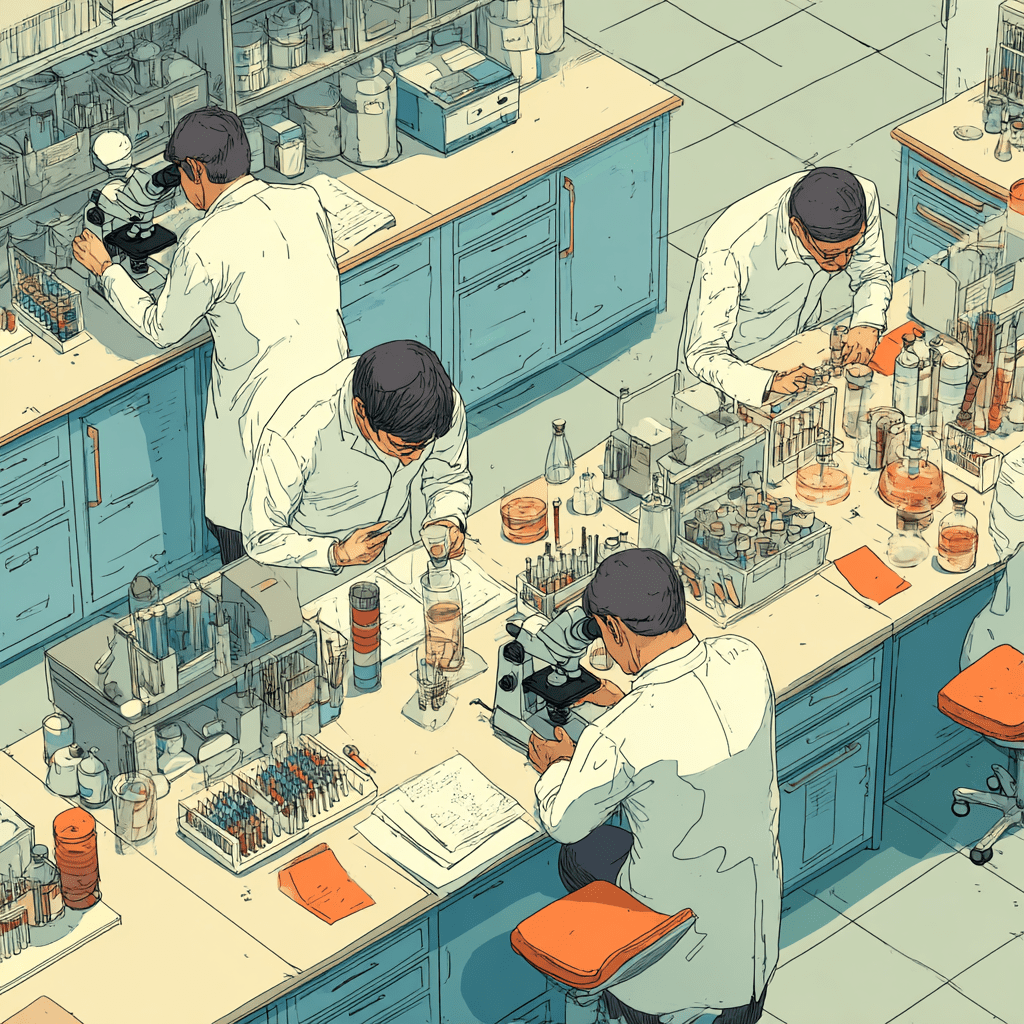
Choosing the Right CBD Products
Choosing the right CBD products can feel overwhelming, especially with so many options available. I remember feeling lost when I first started exploring CBD. To simplify the process, I focus on three key factors:
- Source: Look for products made from organically grown hemp. This ensures fewer pesticides and better quality.
- Type: Decide between full-spectrum, broad-spectrum, or CBD isolate. Full-spectrum contains all cannabinoids, while broad-spectrum has no THC, and isolate is pure CBD. Choose based on your comfort level with THC.
- Third-Party Testing: Always check if the product has been tested by an independent lab. This provides assurance about its potency and purity.
Legal Implications of CBD Use
Understanding the legal implications of CBD use is crucial, especially since laws vary widely by state and country. I’ve found that while hemp-derived CBD is federally legal in the U.S., individual states have their own regulations. Some states fully embrace CBD, while others impose restrictions or outright bans. It’s essential to check your local laws before purchasing or using CBD products.
Additionally, the legality of CBD often depends on its THC content. Products with less than 0.3% THC are generally considered legal, but those with higher levels can lead to legal trouble. As a responsible user, I always read labels and confirm compliance with local regulations.
Moreover, keep in mind that just because CBD is legal doesn’t mean it’s accepted everywhere. Employers may have policies against CBD use, so I always consider potential employment implications before using it. Being informed helps me navigate the complex landscape of CBD legality.
Real-Life Cases of CBD and Drug Testing
Even with the legal acceptance of CBD in many areas, the question of whether it can lead to a failed drug test is a growing concern. I’ve come across several real-life cases that highlight this issue. Here are three examples that stood out to me:
- A professional athlete: After using a CBD oil for recovery, he tested positive for THC, even though the product claimed to be THC-free. His career faced serious repercussions.
- A workplace incident: An employee consumed a CBD-infused drink for anxiety relief. A random drug test flagged his results, leading to a suspension despite his claims.
- A college student: She used a CBD cream for muscle pain and ended up failing a drug test, jeopardizing her scholarship.
These cases show that not all CBD products are created equal, and the risk of failing a drug test is real. Always be cautious and informed.
Tips for Safe CBD Consumption
How can you ensure safe CBD consumption? First, I always choose high-quality products from reputable brands. It’s crucial to look for third-party lab tests, which verify the product’s purity and cannabinoid content. I also check for a Certificate of Analysis (COA) to confirm there are no harmful substances.
Next, I recommend starting with a low dose and gradually increasing it. This way, I can monitor how my body reacts without overwhelming it. Keeping a journal helps track effects and any adverse reactions.
I also pay attention to the type of CBD I’m using. Full-spectrum products might contain trace amounts of THC, which could pose a risk for drug tests. If I’m concerned, I opt for broad-spectrum or isolate options.
Lastly, I stay informed about local laws and regulations regarding CBD. Following these tips helps me enjoy CBD safely while minimizing any potential risks.
Frequently Asked Questions
Can Taking CBD Lead to Psychoactive Effects?
Taking CBD doesn’t lead to psychoactive effects for me. Unlike THC, CBD doesn’t produce that “high” feeling, so I feel relaxed without any mind-altering symptoms. I use it for stress relief and to promote better sleep, and I’ve never experienced any impairment. However, everyone’s body reacts differently, so it’s always smart to start with a low dose and see how it affects you personally. I’ve found it really beneficial!
How Long Does CBD Stay in Your System?
CBD typically stays in your system for about 2 to 5 days, but it can linger longer, depending on various factors like your metabolism, dosage, and frequency of use. I’ve found that people who take it regularly might retain it for up to two weeks. If you’re concerned about it affecting you, it’s always a good idea to monitor how your body reacts and consult with a healthcare professional for personalized advice.
Are There Specific CBD Brands Known for Drug Test Failures?
I haven’t come across specific CBD brands that are consistently linked to drug test failures, but it’s essential to choose products from reputable companies. I always look for brands that provide third-party lab testing results. These tests can confirm that their products have low THC levels, which can help reduce the risk of failing a drug test. Staying informed and cautious is key when selecting CBD products for my needs.
What Types of Drug Tests Are Most Common?
The most common types of drug tests are urine tests, saliva tests, hair tests, and blood tests. I’ve found that urine tests are the most frequently used, especially in workplaces. Saliva tests are becoming popular for their convenience, while hair tests can detect drug use over a longer period. Blood tests are less common but are used in specific situations. Each method has its pros and cons, depending on what needs to be assessed.
Can Other Substances in CBD Products Cause False Positives?
Yes, other substances in CBD products can cause false positives on drug tests. I’ve learned that some CBD products may contain trace amounts of THC or other compounds, which might trigger a positive result. It’s crucial to choose high-quality, lab-tested products to minimize this risk. Always check the labels and ask questions if you’re unsure about the contents. Staying informed helps me make safer choices when using CBD.
Conclusion
In conclusion, while CBD itself typically won’t cause you to fail a drug test, using full-spectrum products can be risky due to trace THC. I recommend opting for CBD isolate to avoid any potential issues. Always choose reputable brands that provide third-party lab results to ensure you’re getting what you expect. By being informed and cautious about your CBD choices, you can enjoy its benefits without worrying about unexpected drug test results.