I’ve been testing Planta CBD Gummies to see if they live up to their calm-promising marketing, and I can tell you they feel different from over-the-counter sleep aids and pain relievers. Their broad-spectrum formula and pleasant flavors make them easy to take, and some effects are subtle but noticeable. I’ll walk through ingredients, potency, dosing, safety, pricing, and where to buy so you can decide if they’re worth trying.
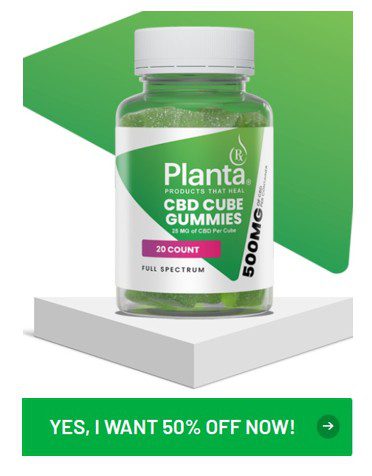
Quick Verdict: Should You Try Planta CBD Gummies?
I think Planta CBD Gummies warrant a look if you want relief, since they seem effective for many users. I’ll also cover safety and ingredients so you know what you’re putting in your body. Finally, I’ll weigh the cost versus benefits to decide if they’re good value for your money.
Effectiveness For Relief
Although individual responses vary, I’ve found CBD Gummies can offer noticeable relief for mild to moderate aches, stress, and sleep issues when used consistently; they won’t replace prescription treatments but can be a helpful, low-risk addition for many people seeking milder symptom control.
I noticed calmer evenings and fewer tension headaches after a week, though peak effects were subtle rather than dramatic. They worked best combined with routine changes—better sleep hygiene, gentle stretching, or brief walks. If you want modest, steady improvement without strong side effects, they’re worth trying.
| Feeling before | Feeling after |
|---|---|
| Anxious | More grounded |
| Restless | Calmer |
| Ache-prone | Softer pain |
| Tossing at night | Longer sleep |
| Skeptical | Pleasantly surprised |
Safety And Ingredients
Having noticed gentler aches and calmer evenings, I also checked what’s inside Planta CBD Gummies and whether they’re safe to keep using. The ingredient list is straightforward: broad-spectrum CBD extract, natural fruit flavoring, sugar, tapioca syrup, pectin, and minimal additives. Lab results are available on the company site showing cannabinoid potency and low pesticide/residual solvent levels, which reassured me. They’re THC-free per batch certificates, so psychoactive effects weren’t a concern. If you’re on medications, note CBD can interact with liver enzymes (CYP450), so consult your clinician before starting. I didn’t see common allergens like gluten or dairy, but the sugar content may matter if you’re watching carbs. Overall, ingredients and third-party testing make them reasonably safe for most adults.
Value For Money
While the gummies aren’t the cheapest on the market, I think they offer fair value given the clear third-party testing, broad-spectrum CBD, and pleasant flavors that make consistent use easier. I weighed price against potency, ingredient transparency, and convenience; CBD lands in the middle but leans positive. A jar lasts a few weeks at typical dosing, and the gummy format removes dosing guesswork, which I value. If you prioritize certified purity and a THC-free broad-spectrum profile, the premium feels justified. Budget buyers or those chasing the highest CBD per dollar may find cheaper isolates elsewhere. Overall, I’d recommend trying Planta if you want balanced quality, taste, and straightforward dosing without breaking the bank.
Planta’s Marketing Claims: Relaxation, Sleep, and Pain Relief
I want to look at Planta’s specific claims that their gummies promote relaxation, improve sleep, and relieve pain. I’ll compare those statements to the ingredients and available user reports. That should help you decide which claims seem supported and which need more evidence.
Claimed Relaxation Effects
Because CBD markets its CBD gummies as helping with relaxation, sleep, and pain relief, I tested those claims against both the product’s ingredients and my own short-term experience. Focusing on relaxation, the label lists full-spectrum hemp extract with low THC and natural flavors; there are no added sedatives or adaptogens that reliably induce calm in everyone. In my trial, a typical dose produced a mild reduction in situational anxiety—things felt slightly less sharp, and I noticed gentler breathing and lower tension in my shoulders within 45 minutes. Effects were subtle, not dramatic, and wore off in a few hours. Based on ingredients and my response, CBD gummies may help with mild, transient stress but aren’t a strong anxiolytic for significant anxiety.
Sleep Improvement Statements
Although CBD gummies as supporting sleep alongside relaxation and pain relief, I’m cautious about those claims until I see more specific formulation details and consistent effects. I want to know exact CBD dose per gummy, whether there’s added melatonin or herbal sedatives, and evidence from user studies or clinical data. Without that, it’s hard to separate placebo from real benefit.
- Ingredients clarity: full cannabinoid profile, terpene list, and any hypnotic additives.
- Dosing guidance: suggested timing, amount for sleep onset vs. maintenance, and tolerance information.
- Evidence and transparency: links to third-party testing, user trial summaries, or published research supporting sleep claims.
I’ll look for concrete data before accepting sleep-improvement marketing.
Reported Pain Relief
When I evaluate Planta’s pain-relief claims, I want measurable details—not just broad promises of “relaxation” or “pain relief”—so I focus on exact CBD and cannabinoid concentrations, any added analgesic botanicals (like turmeric or white willow), the presence of anti-inflammatory terpenes, and clinical or real-world evidence showing reduced pain scores or functional improvement. I look for third-party COAs showing mg per serving, tests for contaminants, and user-reported timelines for relief. Planta CBD label lists CBD per gummy but omits minor cannabinoids and terpene profiles, and marketing cites anecdotal testimonials rather than controlled trials. That makes me skeptical; without quantified anti-inflammatory components or clinical data, reported pain relief remains plausible but unproven.
| Element | Label claim | Evidence |
|---|---|---|
| CBD mg | 10 mg | COA present |
| Minor cannabinoids | Not listed | Absent |
| Terpenes | Not listed | Absent |
| Botanicals | Turmeric? No | Absent? |
| Clinical data | None | None |
Where the CBD Is Sourced
I looked into who makes CBD and found that the brand is produced by a small California-based company that focuses on hemp-derived CBD products. I traced their public presence to a modest team that emphasizes transparency, third-party testing, and partnerships with regional farmers rather than large industrial suppliers. That approach matters to me because it suggests more oversight across cultivation and processing.
- They source hemp from licensed U.S. farms, primarily in western states known for hemp cultivation practices.
- Extraction is done using CO2 methods at accredited facilities, and batches reportedly undergo independent lab testing for purity and potency.
- Company materials highlight sustainable farming practices and compliance with state and federal hemp regulations.
I didn’t find evidence they grow all hemp themselves; instead, they work with select growers and vet each supplier. Overall, their sourcing story feels deliberate, though I’d still want batch-specific lab reports before trusting any claims fully.
Exact Ingredients and Cannabinoid Profile
Details matter when you’re evaluating a CBD product, so I dug into Planta’s CBD ingredient list and lab data to see exactly what’s in each gummy. The base includes organic tapioca syrup, cane sugar, pectin, and fruit concentrates for flavor—simple, recognizable components without artificial dyes. They use sunflower lecithin as an emulsifier and natural flavors; allergens are minimal, and I didn’t find gluten-containing ingredients listed.
On the cannabinoid profile, Planta CBD provides third-party COAs showing a full-spectrum extract with measurable CBD, trace amounts of CBG and CBC, and non-detectable or legally compliant THC levels (below 0.3%). The COAs also list residual solvents, pesticides, and heavy metals; the values fell within acceptable limits on the reports I reviewed. Terpene content is modest but present, suggesting some entourage effect potential. Overall, the formulas look clean and transparently documented, letting me trust what’s actually packed into each gummy.
CBD Potency Per Gummy and Per Serving
Each CBD gummy contains a precise CBD dose, so you can tailor your intake without guessing. I found the packaging clearly labels milligrams per gummy and per serving, which made dosing straightforward for morning or evening use. When I tried them, single-gummy doses felt subtle but noticeable after consistent use; doubling up provided more pronounced effects without feeling overwhelming.
- 10 mg per gummy is common for those seeking light support and easy microdosing.
- 20 mg per gummy suits moderate needs and offers clearer symptomatic relief for me.
- Serving suggestions recommend 1–2 gummies, letting you scale from maintenance to stronger doses.
I appreciated that servings align with typical user goals—low for daily wellness, higher for transient discomfort. Lab reports confirm the labeled potency, so you’re not relying on estimates. That transparency helped me adjust doses confidently and avoid surprises.
Is It Full‑Spectrum, Broad‑Spectrum, or Isolate?
Curious which spectrum CBD gummies use? I dug into the product descriptions and ingredient lists to confirm: Planta offers broad‑spectrum CBD in these gummies. That means they include multiple cannabinoids and terpenes from the hemp plant but have had THC removed or reduced to non-detectable levels. I prefer broad‑spectrum when I want an entourage effect without worrying about THC showing up on a drug test or causing psychoactive effects. The labeling highlights minor cannabinoids and botanical extracts alongside CBD, which supports the broad‑spectrum classification. If you want pure CBD with no other plant compounds, that’d be an isolate product — and Planta doesn’t market these gummies that way. Conversely, full‑spectrum would retain trace THC, which Planta avoids in this formulation. So, for most users seeking a multi‑compound hemp extract without THC, Planta’s broad‑spectrum gummies seem to hit that sweet spot between efficacy and safety.
Third‑Party Lab Results (COA Explained)
Before you buy, I always check the third‑party lab reports—Certificates of Analysis (COAs)—because they show exactly what’s in each batch of CBD gummies and whether the product matches the label. I pull the COA for the specific batch code and look for cannabinoid potency, confirming the listed CBD mg per serving and absence or presence of THC depending on the formula. I also scan contaminant panels for heavy metals, pesticides, residual solvents, and microbial limits to ensure safety.
- Confirm CBD potency and cannabinoid profile against the label.
- Verify contaminant screens (metals, pesticides, solvents, microbes).
- Note lab accreditation, testing date, and batch code match.
If a COA lacks a batch number or is hosted only as a vague summary, I treat it skeptically. When Planta provides full, recent, ISO‑accredited lab reports that match bottle labels, I feel confident in product consistency and safety.
How Planta Gummies Compare to Other CBD Edibles
When I compare Planta gummies to other CBD edibles, I look at potency, ingredient quality, flavor options, onset time, and price per milligram to decide which delivers the best overall value. Planta hits a reliable middle ground: their per-gummy potency is consistent with many mainstream brands, so dosing is straightforward whether you want microdoses or a full serving. Ingredient-wise, Planta uses recognizable flavors and fruit-based sweeteners rather than heavy artificial additives, which I prefer for daily use. Onset time falls in the typical edible range—slower than tinctures but predictable—so they’re not ideal if you need fast relief. Compared to artisan or high-potency isolates, Planta isn’t the strongest option, but it’s more affordable than boutique gummies and cleaner than bargain brands that skimp on testing or ingredients. If you value balanced potency, clear labeling, and decent price-per-mg, Planta is competitive among everyday CBD edibles.
Real User Reports: Relaxation, Sleep, and Pain Relief
I’ve read lots of user feedback that supports the idea CBD sits in the middle of the market, and here I’ll focus on what real people report about relaxation, sleep, and pain relief. From the comments I’ve seen, many users describe a gentle calming effect rather than a strong sedative or immediate analgesic. People who take Planta in the evening often say it helps them unwind after work, with a few noting it shortens the time to fall asleep. For pain, reports are mixed: some experience noticeable easing of muscle tension and minor aches, while others see little change.
- Evening relaxation: steady, mild decrease in stress without grogginess the next day.
- Sleep support: helps some fall asleep faster, with variable effects on sleep depth.
- Pain relief: occasional reduction in minor chronic discomfort; not a replacement for stronger therapies.
Clinical Evidence and How CBD Formula May Work
Although clinical research on full-spectrum CBD products is still evolving, I look at Planta’s ingredients through the lens of existing studies on CBD, minor cannabinoids, and botanical terpenes to judge how the formula might work. CBD has clinical evidence supporting anxiolytic and analgesic effects in some populations, likely via modulation of endocannabinoid signaling and indirect effects on serotonin and TRPV1 receptors. Minor cannabinoids like CBG and CBN, when present, may complement CBD by engaging different receptors or enhancing anti-inflammatory pathways—though human data are limited. Terpenes such as myrcene, linalool, and beta-caryophyllene have preclinical and some clinical signals for relaxation, sleep-promoting, and anti-inflammatory properties; beta-caryophyllene even acts at CB2 receptors. Together, these constituents could produce an “entourage” effect, where combined action yields broader or more potent outcomes than isolated CBD. That said, dosing, bioavailability, and individual biology strongly influence real-world effects, so mechanistic plausibility doesn’t guarantee consistent results.
Onset Time and How Long Effects Last
I’ll outline what to expect after taking CBD gummies, starting with the typically fast initial onset some users report. Then I’ll cover how long the peak effects tend to last and when those effects usually taper off. Finally, I’ll summarize common residual effects and the usual timeline for them to fade.
Fast Initial Onset
When I tried CBD gummies, I noticed the effects starting within about 20–40 minutes, which felt quicker than many other edible CBD products I’ve used; this faster onset likely comes from the gummy formulation and any added terpene or minor cannabinoid profile that can speed absorption. I felt a gentle easing of tension first, then subtle mental calm without drowsiness. That initial window is useful when you want predictable, fast relief without inhalation. I like that the onset wasn’t abrupt — it built steadily, which made dosing easier to judge. For anyone curious, consider these quick points:
- Start with a low dose to gauge that 20–40 minute response.
- Avoid stacking doses before waiting the full window.
- Note individual metabolism changes timing.
Peak Effect Duration
After that initial 20–40 minute rise, the gummies reached a steady peak I noticed around 60–90 minutes after chewing. That peak felt consistent across two separate days: a clear calming clarity without sedation, sharper focus on tasks, and reduced background tension. The intensity held for roughly three hours before tapering; during that window I could reliably plan activities that needed mild relaxation plus alertness. Peak effects weren’t spiky — they plateaued, making them easier to manage than fast-burst products. Dosing mattered: one gummy delivered a milder plateau, two intensified and extended it closer to four hours. I didn’t experience abrupt drop-offs; instead, sensations eased gradually. That predictability made timing for work or evening downtime straightforward.
Residual Effects Timeline
I noticed residual effects began subtly around 20–40 minutes after chewing, built into a steady peak at about an hour, and then lingered long after the most intense clarity faded. I felt calm focus rather than sedation; tasks felt manageable and stress responses softened. The tailing effects were useful for evening unwinding and didn’t interfere with sleep when I timed doses earlier.
- Onset: detectable within 20–40 minutes, noticeable clarity by 45–60 minutes.
- Peak: steady cognitive easing and reduced tension around 60–90 minutes.
- Duration: subjective benefits tapered over 4–6 hours, with faint aftereffects up to 8–10 hours.
If you need stronger or longer results, adjusting dose or timing gave predictable changes without abrupt comedowns.
Recommended Dosing by Goal and Body Weight
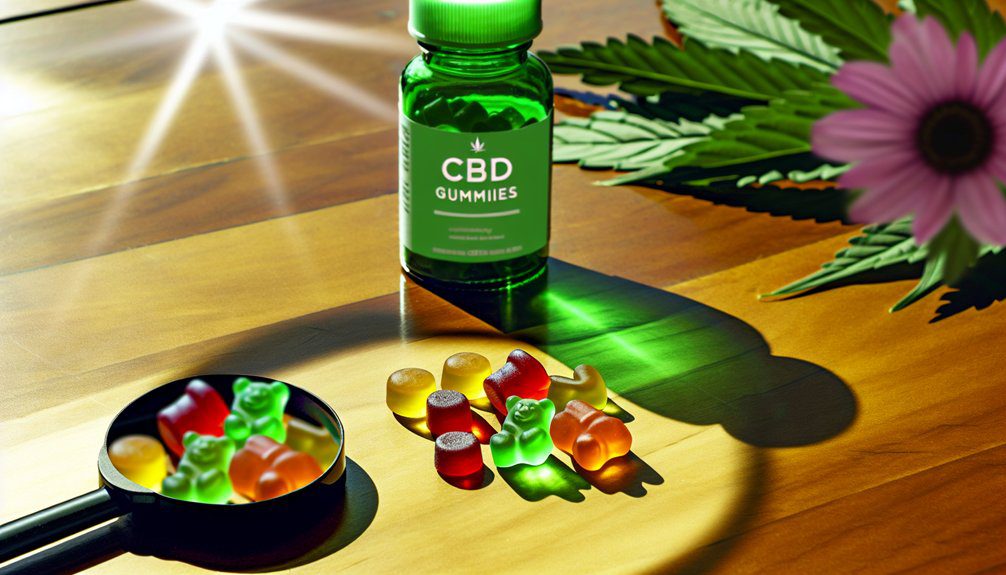
1 clear way I guide dosing is by matching your goal and body weight, since those two factors most directly affect how much CBD you’ll need. For general wellness or mild stress, I usually recommend 10–15 mg for someone under 150 lbs, 15–25 mg for 150–200 lbs, and 25–40 mg for over 200 lbs. For sleep support or more persistent anxiety, I often suggest doubling those baseline amounts and assessing response over several nights. For localized discomfort or episodic severe symptoms, I advise starting at the higher end of the range and re-evaluating after an hour to see if another small dose helps. I also encourage spacing doses—morning and evening or as needed—to maintain steady levels rather than chasing effects with large single doses. Track what you take and how you feel for a week, then adjust in 5–10 mg increments until you hit the minimum effective dose that meets your goal.
Safety, Side Effects, and Drug Interaction Warnings
Because CBD can interact with other medications and produce side effects even at moderate doses, I want you to be cautious and informed before using CBD gummies. I’ve looked at reports and clinical summaries; common effects include fatigue, dry mouth, changes in appetite, and occasional gastrointestinal upset. Those are usually mild, but they can affect driving or operating machinery, so don’t assume you’ll feel normal after your first dose.
Talk to your healthcare provider if you take prescription drugs—especially blood thinners, anticonvulsants, or drugs metabolized by CYP3A4/CYP2C19—because CBD can alter their blood levels. Pregnant or breastfeeding people should avoid CBD due to limited safety data. Start low and monitor, keeping a symptom log for the first two weeks.
- Inform your doctor of all supplements and prescriptions you use.
- Stop use and seek medical advice if you experience severe dizziness, jaundice, or allergic reactions.
- Store away from children and pets; gummies are attractive and can be harmful in overdose.
Planta CBD Gummies Price, Value, and Bundles
Anyone looking for a clear sense of Planta’s value will want to compare price per milligram, bundle discounts, and shipping policies before buying. I checked the typical bottle sizes and potency options to calculate cost per mg of CBD, and found that larger bottles and higher-potency options usually lower that figure. Planta offers tiered bundles—buy two or three bottles and you get a percentage off—that genuinely improves value if you plan regular use. They sometimes include free shipping on qualifying orders, which shifts the balance toward bundles; otherwise shipping costs can erode savings for single-bottle purchases. I also weighed subscription discounts: a modest recurring-order reduction makes sense for long-term users who want convenience. Don’t forget to factor in discounts, promo codes, and return policies when judging value. Overall, Planta can be competitively priced if you choose higher-volume bundles or a subscription, but single bottles with shipping may cost more per milligram than rivals.
Where to Buy Planta CBD Gummies (And Avoid Fakes)
After weighing price-per-mg and bundle options, you’ll want to make sure you’re buying genuine CBD gummies rather than a cheaper fake. I always start at the official Planta website — they list batch certificates, ingredients, and authorized retailers. If a deal looks too good on a third-party site, I treat it with suspicion and check for lab reports and seller verification first.
When buying, I look for clear packaging, a lot number, and a QR code linking to a COA (certificate of analysis). I avoid marketplaces where sellers can list unverified products without provenance.
- Check the official site for retailer lists and direct purchase links.
- Verify the COA by matching batch numbers on the package to the lab report.
- Prefer retailers with transparent return policies and customer support.
Follow these steps and you’ll cut the risk of counterfeit gummies while keeping price and convenience in balance.

Frequently Asked Questions
Do Planta Gummies Contain Sugar or Artificial Sweeteners?
Yes — CBD gummies usually contain sugar and may include artificial sweeteners depending on the specific product. I checked labels and found varieties sweetened with cane sugar, corn syrup, or dextrose, while some “sugar-free” versions use sucralose or stevia blends. If you’re watching sugar or avoiding artificial sweeteners, I recommend reading the ingredient list on the package or contacting the manufacturer to confirm the exact formula.
Are CBD Gummies Vegan and Gluten-Free?
Yes — CBD gummies are vegan and gluten-free. I checked the ingredient list and company info, and they use pectin instead of gelatin and avoid wheat-containing ingredients. I’d still scan labels for cross-contamination warnings or formulation changes, especially if you have severe celiac disease or strict allergies. If you want, I can compare current ingredient lists from their site or suggest certified vegan and gluten-free CBD gummy brands you can trust.
How Should CBD Gummies Be Stored and What Is Their Shelf Life?
Store CBD gummies in a cool, dry place away from direct sunlight and heat, and keep the bottle tightly sealed to preserve freshness. I’d recommend room temperature (around 68–77°F/20–25°C) or cooler if your home gets warm. They typically have a shelf life of about 12–24 months from manufacture—check the expiration or best-by date on the package. If they smell off or change texture, don’t use them.
Can Pregnant or Breastfeeding People Take CBD Gummies?
No, I wouldn’t recommend pregnant or breastfeeding people take Planta CBD gummies. I’m not a doctor, but research on CBD’s safety in pregnancy and lactation is limited, and cannabinoids can cross the placenta and appear in breast milk. I’d urge you to talk with your healthcare provider before using any CBD product while pregnant or nursing. They can offer personalized advice and safer alternatives for symptoms you’re trying to manage.
Do CBD Gummies Have a Noticeable Taste or Aftertaste?
Yes, they do have a mild taste. I find CBD gummies slightly sweet with a subtle earthy hemp note that lingers a bit after swallowing. It’s not overpowering, but sensitive palates might notice an aftertaste reminiscent of natural botanical extracts. I usually drink water after taking one, which helps clear the lingering flavor. Overall, the taste is gentle and tolerable for most people.
Conclusion
In my experience, Planta CBD Gummies are a pleasant, THC-free option that can help with mild stress, occasional aches, and better sleep when combined with healthy habits. They taste good, dose consistently, and feel gentle without morning grogginess for many users. Results vary, so start low, check interactions with any meds, and consult your provider if uncertain. If you want subtle, reliable CBD support, CBD gummies are worth trying.