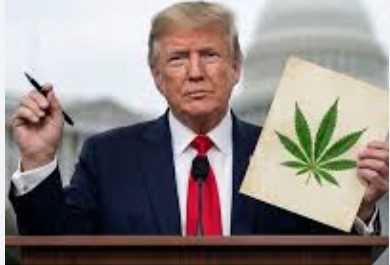
When I heard about Trump signing the executive order to fast-track marijuana’s reclassification, I knew this was a pivotal moment. It could change how we view cannabis in medical contexts, especially for pain management. Yet, this move raises questions about its impact on recreational use and the broader cannabis industry. What does this mean for states that have already legalized it? Let’s explore the implications of this order further.
Key Takeaways
- Trump’s executive order aims to reclassify cannabis from Schedule I to Schedule III to enhance medicinal research opportunities.
- The reclassification acknowledges cannabis’s potential therapeutic benefits, particularly for chronic pain management.
- This shift facilitates FDA studies and encourages pharmaceutical investment in cannabis-derived medications.
- Reclassification could lead to economic growth, job creation, and new business opportunities within the cannabis industry.
- It may inspire state-level reforms and address disparities in drug-related criminal justice policies.
Overview of the Executive Order
In this executive order, Trump’s primary goal is to reclassify cannabis to facilitate research into its medicinal benefits. By moving it to a Schedule III substance, he’s opening the door for the FDA to explore its potential uses more thoroughly. This shift could significantly impact how we understand and treat chronic pain with cannabis-derived therapies.
Purpose of Reclassification
One significant purpose of President Trump’s executive order on cannabis reclassification is to facilitate research into its medicinal benefits. By changing cannabis from a Schedule I to a Schedule III substance, it opens the door for the Food and Drug Administration to conduct thorough studies. This change acknowledges that cannabis has potential therapeutic applications, particularly for individuals suffering from chronic pain. It’s about using scientific evidence to understand how cannabis can help people rather than sticking to outdated perceptions. While the order doesn’t legalize cannabis for recreational use, its aim is clear: to provide a framework for research that could lead to better treatment options. This step could transform the medical landscape for many patients needing relief.
Impact on Medicinal Research
Reclassifying cannabis to Schedule III under the executive order is set to significantly enhance medicinal research opportunities. This change will allow the Food and Drug Administration to study cannabis’s medicinal properties without the heavy restrictions that come with its current Schedule I status. Researchers like me can finally explore its potential benefits for conditions such as chronic pain, anxiety, and epilepsy. This shift means we’ll have better access to funding, resources, and the ability to conduct clinical trials more freely. I believe that with more rigorous scientific investigation, we can better understand how cannabis can serve as a therapeutic option, ultimately paving the way for improved patient care and treatment options. It’s an exciting time for medicinal research in this field.
Historical Context of Marijuana Classification
As I look back at the historical context of marijuana classification, it’s clear that early legalization efforts faced significant hurdles. The Controlled Substances Act of 1970 firmly placed cannabis in the same category as more dangerous drugs, impacting public perception and limiting medical research. Understanding this background helps me appreciate the implications of Trump’s recent executive order on reclassification.
Early Legalization Efforts
While the push for marijuana legalization has gained momentum in recent years, its roots date back to earlier efforts that struggled against a backdrop of stigma and legal challenges. In the 1970s, advocates began challenging the restrictive laws that classified cannabis alongside dangerous drugs. Groups like NORML emerged, pushing for reform and raising awareness about cannabis’s potential benefits. They faced fierce opposition, with many lawmakers and citizens holding onto misconceptions about marijuana. Despite setbacks, these early activists laid the groundwork for today’s movement. They emphasized the need for research and education, fostering a shift in public perception. As I reflect on these efforts, it’s clear that their persistence has significantly influenced the current landscape of marijuana legalization.
Controlled Substances Act
The Controlled Substances Act (CSA) of 1970 established a federal framework for regulating drugs in the United States, categorizing substances based on their potential for abuse and medical utility. Under this law, cannabis was classified as a Schedule I substance, meaning it was deemed to have no accepted medical use and a high potential for abuse, similar to heroin and LSD. This classification stifled research into its medicinal properties for decades. It’s fascinating to think how this legal framework shaped public perception and medical practices surrounding cannabis use. Now, with Trump’s executive order aiming to reclassify it, we might finally see a shift that allows for more comprehensive studies and potential therapeutic applications. It’s a pivotal moment in our ongoing conversation about cannabis.
Public Perception Shifts
Although many people associate cannabis with negative stereotypes and criminality due to its historical classification, I believe we’re witnessing a significant shift in public perception. As discussions around its medicinal benefits gain traction, more individuals are starting to view cannabis as a legitimate treatment option rather than a dangerous drug. The stigma attached to cannabis is slowly eroding, particularly among younger generations who are more open-minded. This change in attitude is reflected in various polls showing increased support for legalization and decriminalization efforts. With influential figures, including politicians, advocating for reclassification, it’s clear that the narrative around cannabis is evolving. I’m optimistic that this shift will lead to a more informed and compassionate understanding of cannabis in our society.
Medical Research Limitations
Given the historical context of marijuana classification, it’s clear that the restrictions imposed by its Schedule I status have severely limited medical research opportunities. For years, researchers faced hurdles that made studying cannabis nearly impossible. Without the ability to conduct extensive clinical trials, we’ve missed out on understanding its potential benefits for conditions like chronic pain, anxiety, and seizures. The stigma surrounding marijuana kept funding and support at bay, leaving many medical professionals in the dark. With Trump’s executive order aiming to reclassify cannabis, I’m hopeful that this will change. It could finally open doors to rigorous research, allowing us to explore safe and effective treatments that could benefit countless patients. Let’s embrace this opportunity for progress.
Public Support for Cannabis Legalization
While many people recognize the potential medical benefits of cannabis, public support for its legalization has been steadily growing across the nation. This shift reflects changing attitudes and a desire for reform. I often see discussions about how legalization can benefit both individuals and the economy.
| Support Level | Percentage of Respondents | Key Reasons |
|---|---|---|
| Strongly Support | 42% | Health benefits, criminal justice reform |
| Somewhat Support | 27% | Economic growth and job creation |
| Opposed | 31% | Concerns about safety and addiction |
It’s fascinating to witness how more people are realizing the numerous advantages of legalizing cannabis. Whether it’s for medical use or economic opportunities, the conversation is evolving. I believe this momentum will lead to significant changes in legislation in the near future.
Implications for Medical Marijuana Research
As President Trump’s executive order sets the stage for cannabis reclassification, it opens new avenues for medical marijuana research that could significantly enhance our understanding of its therapeutic potential. With cannabis potentially moving to a Schedule III classification, researchers like me will have greater access to study its effects on various medical conditions. This change could lead to more comprehensive clinical trials, ultimately providing evidence-based data that demonstrates cannabis’s efficacy in treating chronic pain, anxiety, and other ailments.
Moreover, pharmaceutical companies may start investing in cannabis-derived medications, allowing us to explore unique formulations and delivery methods. As regulations ease, we can finally begin addressing the stigma surrounding cannabis in medicine. This could lead to better treatment options for patients who have exhausted conventional therapies. All in all, this executive order could mark a significant turning point in the quest for understanding and utilizing cannabis for medical purposes.
Economic Opportunities in the Cannabis Industry
The reclassification of cannabis could unlock significant economic opportunities within the industry. As a budding entrepreneur, I see the potential for growth in various sectors, from cultivation to retail. With cannabis shifting to a Schedule III substance, it may attract more investors who’ve been hesitant due to its current legal status. This influx of capital could lead to job creation, boosting local economies in areas where cannabis businesses thrive.
Moreover, as research around medicinal uses expands, companies might innovate new products, catering to diverse consumer needs. This could mean everything from wellness products to pharmaceuticals, offering a broad market.
I can’t help but envision the possibilities for small businesses, farmers, and tech startups eager to enter this evolving landscape. The cannabis industry isn’t just about recreational use; it’s a chance for economic rejuvenation that could benefit communities nationwide.
Potential Changes in Federal Drug Policy
With Trump’s executive order, I see potential shifts in how federal drug policy approaches cannabis. This change could open doors for more medical research and adjustments in the regulatory framework. It also raises questions about how states might respond, especially those that have already legalized marijuana in various forms.
Impact on Medical Research
While many still debate the implications of Trump’s executive order, it undeniably opens new avenues for medical research into cannabis. By reclassifying it as a Schedule III substance, we’re likely to see increased funding and interest in studying its therapeutic potential. This could lead to significant breakthroughs in treating chronic pain, anxiety, and other conditions where traditional medications fall short. Researchers will have greater access to cannabis for clinical trials, allowing for more robust data and potentially paving the way for new treatments. I believe this shift could help destigmatize cannabis in the medical community, fostering a more open dialogue about its benefits and encouraging innovation in patient care. It’s an exciting time for medical research, and I can’t wait to see what unfolds.
Regulatory Framework Adjustments
As we consider the implications of Trump’s executive order, it’s clear that the regulatory framework surrounding cannabis is set for significant adjustments. This shift could reshape how cannabis is perceived and regulated at the federal level. Here are some potential changes we might see:
- Reclassification: Moving cannabis to Schedule III could ease restrictions and encourage more research.
- Medical Use Expansion: Federal agencies may explore broader medicinal applications, benefiting patients.
- Taxation and Regulation: New tax structures could emerge, similar to those for alcohol and tobacco.
- Interstate Commerce: A reclassification might facilitate interstate transportation and sales, significantly impacting the market.
These adjustments could mark a pivotal moment in federal drug policy, creating a more nuanced approach to cannabis.
State-Level Legalization Variances
The reclassification of cannabis at the federal level opens up a complex landscape of state-level legalization variances. As I dive into this topic, I realize that each state now has more freedom to craft its own laws regarding cannabis use, whether medicinal or recreational. This divergence can create confusion for users and law enforcement alike. Some states may embrace more lenient regulations, while others might remain strict, leading to a patchwork of policies across the country. It’s crucial for individuals to stay informed about their local laws, especially as federal guidance evolves. I can’t help but wonder how these variances will affect public perception and policy-making in the years to come. It’s a fascinating, albeit complicated, time for cannabis legislation.

State-Level Responses to the Executive Order
Given the nuances of President Trump’s executive order, states are now grappling with how to respond effectively. As I watch the landscape shift, I see a variety of approaches taking shape. Here are four key responses from different states:
- Regulatory Review: Some states are reviewing existing cannabis regulations to align with the new classification, potentially easing restrictions on medicinal use.
- Public Health Campaigns: States like California are launching campaigns to educate the public on the medicinal benefits of cannabis, emphasizing responsible use.
- Legislative Proposals: Several state legislatures are considering new bills to expand access to medical marijuana, anticipating changes in federal law.
- Monitoring Developments: States such as Texas are adopting a wait-and-see approach, closely monitoring how the executive order unfolds before making any legislative moves.
These varied responses reflect the complexities and opportunities presented by the executive order, indicating a pivotal moment in cannabis policy.
Impact on Criminal Justice Reform
While some may view President Trump’s executive order on cannabis reclassification primarily through a medical lens, its implications for criminal justice reform are significant and far-reaching. By moving cannabis from a Schedule I to a Schedule III substance, this order could lead to reduced penalties for possession and distribution, addressing the disproportionate impact drug laws have had on marginalized communities.
I believe this shift could inspire a broader reevaluation of our criminal justice system, particularly in how we handle drug-related offenses. With fewer people incarcerated for cannabis-related crimes, resources could be redirected toward rehabilitation and prevention programs.
Additionally, it may encourage states to reconsider their own cannabis laws, potentially leading to further reforms. Ultimately, this executive order might be a stepping stone toward a more just approach to drug policy, allowing us to focus on public health rather than punishment.
Key Stakeholders in the Cannabis Debate
As we explore the implications of Trump’s executive order on cannabis reclassification, it’s important to consider the key stakeholders involved in the cannabis debate. These groups each have unique perspectives and interests that shape the conversation around cannabis reform.
- Medical Professionals: They advocate for research into cannabis’s medicinal benefits and its potential to alleviate chronic pain.
- Lawmakers: Politicians play a crucial role in shaping legislation, balancing public opinion and health concerns.
- Advocacy Groups: Organizations pushing for legalization and decriminalization often represent the voices of patients and users who seek access.
- Law Enforcement: Police and regulatory agencies express concerns about public safety and the implications of cannabis legalization on crime rates.
Understanding these stakeholders helps us grasp the complexities of the cannabis debate and the potential impact of reclassification on various communities.
Future Prospects for Marijuana Legislation
Although the recent executive order from Trump marks a significant step toward cannabis reclassification, the future of marijuana legislation remains uncertain. I can’t help but wonder what this means for broader legalization efforts. While the move to reclassify marijuana as a Schedule III substance signals progress, it doesn’t legalize cannabis for recreational use, and Trump has made his stance clear against that.
As public opinion shifts and more states embrace legalization, we might see increased pressure on federal lawmakers to reconsider their positions. I believe the conversation around medical cannabis will continue to grow, especially as research uncovers its benefits.
However, without bipartisan support, comprehensive federal legalization still feels out of reach. I’ll be watching closely as advocacy groups push for change and how the upcoming elections might influence this landscape. The future of marijuana legislation could hinge on these evolving dynamics, and I’m hopeful for what lies ahead.
Frequently Asked Questions
Will This Order Affect State Cannabis Laws?
I believe this order won’t directly affect state cannabis laws. States have the authority to regulate cannabis as they see fit, regardless of federal classifications. While this executive order may pave the way for more research and could influence future policies, it doesn’t change existing state laws or legalization efforts. Each state will still decide how to handle cannabis, whether for medical or recreational use, based on their own regulations and public opinion.
How Does Schedule III Classification Impact Cannabis Businesses?
Schedule III classification could significantly impact cannabis businesses by allowing them to access banking services, secure loans, and benefit from insurance coverage that was previously unavailable. It also opens the door for research into medicinal uses, potentially leading to new products and markets. Plus, businesses might see an increase in legitimacy, attracting more investors. I believe this could create a more stable and professional environment for the cannabis industry overall.
Can Patients Access Cannabis for Medical Use Immediately?
No, patients can’t access cannabis for medical use immediately. Even with the reclassification, it’s going to take time for regulations to change and for the FDA to conduct its studies. I understand the frustration, especially for those who may benefit from cannabis for chronic pain. We need to be patient as the system adapts, but I’m hopeful this is a step in the right direction for medical cannabis access in the future.
What Research Studies Will Be Prioritized Under This Order?
Under this order, I believe research studies focusing on the medicinal properties of cannabis will take priority. This could include investigating its effectiveness for chronic pain management, anxiety, and other health issues. I’m excited about the potential for new findings that could improve patient care. The aim seems to be to gather scientific evidence that supports cannabis’s therapeutic uses while keeping recreational use out of the equation.
How Will This Change Affect Cannabis-Related Arrests?
I think this change could significantly reduce cannabis-related arrests. By reclassifying cannabis, law enforcement may focus less on non-violent offenses related to its use. It’ll likely lead to fewer arrests and a shift in how society views cannabis. With more research and understanding of its benefits, people may become more open to its medicinal uses, which could further decrease the stigma and legal repercussions surrounding it. I’m hopeful for positive changes ahead.
Conclusion
In conclusion, Trump’s executive order is a pivotal step toward redefining marijuana’s legal status, especially for medicinal use. By reclassifying cannabis, we’re not just opening doors for groundbreaking research; we’re also paving the way for economic growth in the cannabis industry. This move could spark further conversations about legalization and reform across the nation. As we look ahead, I’m excited to see how these changes will shape the future of cannabis in America.