I’ve often wondered why so many people have a negative view of marijuana. It seems like a mix of historical stigma, misconceptions about its effects, and the way it’s portrayed in the media. These factors can create a fear that overshadows its potential benefits. What’s even more intriguing is how these perceptions vary across generations. Let’s explore what really shapes our opinions on cannabis and why they might not reflect the full picture.
Key Takeaways
- Historical stigma and negative narratives, amplified by media portrayals, have long painted marijuana as dangerous and harmful.
- Misinformation about cannabis, like addiction rates and health risks, perpetuates fear and misunderstanding among the public.
- Government policies and classifications have reinforced negative perceptions, overshadowing the potential medicinal benefits of marijuana.
- Depictions in movies and TV often focus on negative stereotypes, further influencing societal views on cannabis use.
- Lack of open dialogue and accurate information limits understanding, allowing myths about marijuana to persist in public consciousness.
Historical Stigma Surrounding Marijuana
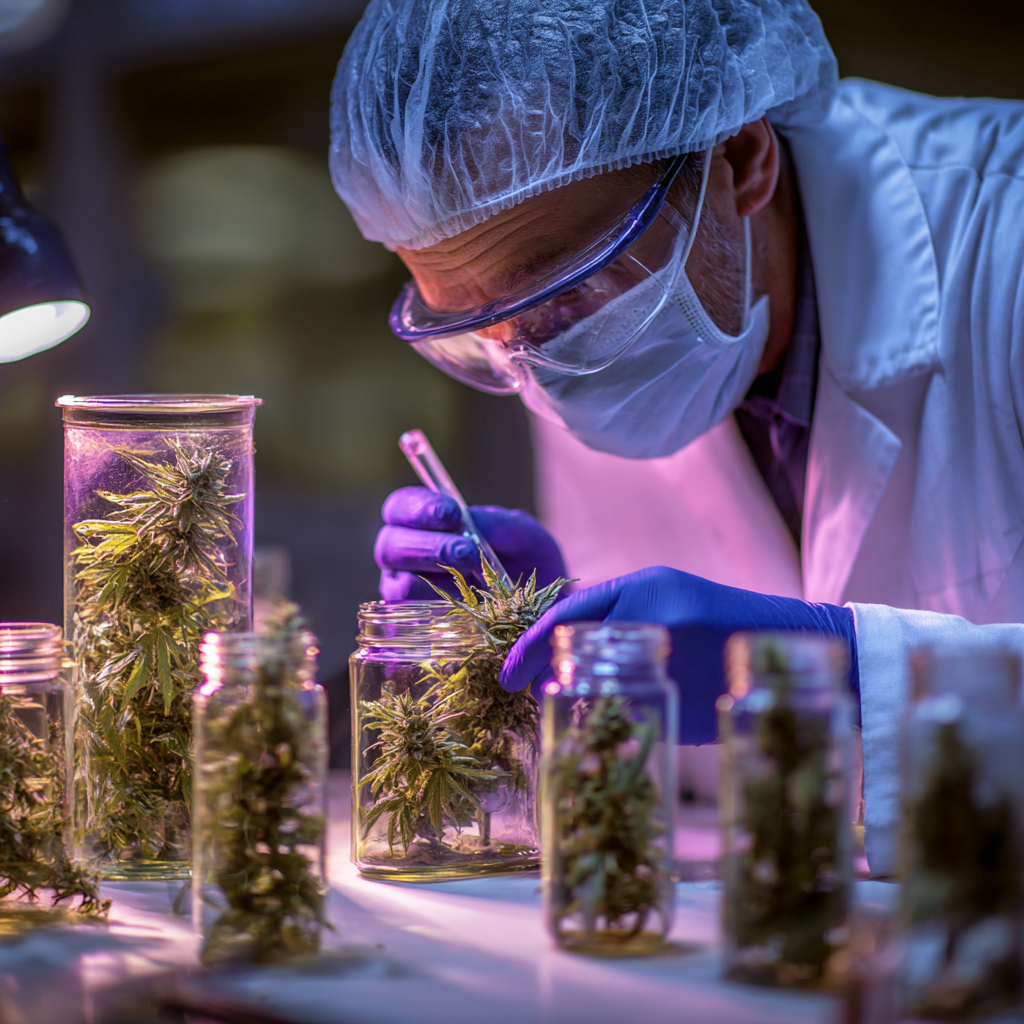
Although many people today are beginning to see marijuana in a new light, the historical stigma surrounding it has deep roots. Growing up, I often heard negative stories about cannabis, painting it as a dangerous substance that led to crime and moral decay. This narrative was deeply entrenched in our culture, fueled by sensationalized media and government campaigns. It’s hard to shake off such powerful messaging. I remember feeling conflicted when I first encountered marijuana; curiosity battled with the fear instilled in me by society.
Even today, remnants of that stigma linger, affecting public perception and policy. It’s fascinating to see how perspectives shift, yet I can’t help but wonder how many still cling to outdated beliefs. Understanding the historical context helps me appreciate the ongoing conversation about cannabis, reminding me that change is possible, even in the face of long-standing biases.
Misunderstanding the Science: Effects of Cannabis
When I first started exploring the science behind cannabis, I was surprised to discover how much misinformation permeates discussions about its effects. Many people still cling to outdated beliefs, often ignoring recent research that paints a more nuanced picture.
Here’s a breakdown of some common misconceptions versus the actual findings:
| Misconception | Fact |
|---|---|
| Cannabis always impairs memory | Some studies show it can enhance creativity |
| It leads to addiction for everyone | Only a small percentage develop dependence |
| Smoking is the only method | Edibles and oils offer healthier options |
| It causes lung cancer | Research is inconclusive on this |
| It’s completely harmless | Can have side effects, but not for everyone |
Understanding the science can help shift the conversation toward a more balanced view. By challenging these misconceptions, we can better appreciate the potential benefits and risks of cannabis.
Influence of Media Portrayals
How do media portrayals shape our perceptions of cannabis? I’ve noticed that movies and TV shows often depict marijuana users as lazy or irresponsible, reinforcing negative stereotypes. These portrayals can skew public opinion, making it easy to dismiss cannabis as harmful without understanding its complexities.
When I see news reports focusing on crime related to cannabis, it’s hard not to associate the plant with danger. Yet, we rarely hear about its medicinal benefits or the positive experiences of responsible users. This lack of balanced representation leaves many people misinformed.
Social media also plays a role; influencers may glamorize or vilify cannabis, further complicating our relationship with it. I’ve found that when we rely on entertainment for education, we miss the nuanced reality. It’s crucial to seek out diverse perspectives and research to form a well-rounded view of cannabis, rather than relying solely on sensationalized media narratives.
The Role of Government Policy and Regulation
As I delve into the role of government policy and regulation, it’s clear that these frameworks significantly shape our understanding and use of cannabis. The laws that govern marijuana can create a stigma or, conversely, pave the way for acceptance. When governments classify cannabis as a dangerous substance, they reinforce negative perceptions, often overshadowing its potential benefits.
Conversely, in states where legalization has occurred, I notice a shift in public attitude. People begin to see cannabis as a legitimate option for medical and recreational use, leading to more informed discussions.
Regulations also affect how cannabis is marketed and consumed, impacting consumer behavior and societal norms. Restrictions can limit access while also preventing education about safe use. Overall, government policies play a crucial role in shaping the narrative surrounding cannabis, influencing both individual choices and societal perspectives.
Addiction Myths and Misconceptions
While many people believe that cannabis is highly addictive, the reality is far more nuanced. Research shows that while some individuals may develop a problematic relationship with marijuana, the rates of addiction are significantly lower compared to substances like alcohol or opioids. Here are some common myths surrounding cannabis addiction:
- Cannabis is as addictive as heroin: Studies show less than 10% of users develop an addiction.
- Withdrawal is severe: Most users experience mild withdrawal symptoms, if any.
- Addiction rates are increasing: Rates have remained stable even as legalization spreads.
- All users become dependent: Many use cannabis recreationally without any issues.
- Cannabis ruins lives: Many users lead successful, balanced lives.
Understanding these misconceptions helps clarify the broader picture of cannabis use and its effects. It’s essential to navigate this topic with accurate information rather than fear-driven myths.
Societal Attitudes and Generational Differences
Societal attitudes toward marijuana have shifted dramatically over the years, reflecting broader changes in cultural norms and values. When I look at how different generations perceive cannabis, it’s clear that younger people often embrace it as a natural, less harmful alternative to alcohol or prescription drugs. They tend to view legalization as a progressive step, aiming for responsible use and social acceptance.
In contrast, older generations often carry the weight of decades-old stigmas, seeing marijuana as a dangerous substance linked to crime and moral decline. This generational divide can create tension, especially in family discussions.
I’ve noticed that as more states legalize marijuana, these outdated perceptions are gradually fading. Younger folks are redefining the narrative, emphasizing the potential benefits and the importance of informed choices. This evolution shows how societal attitudes are capable of change, influenced by new information and lived experiences.
Psychological Factors and Fear of the Unknown
Many people’s apprehensions about marijuana often stem from psychological factors, especially the fear of the unknown. This fear can create a barrier to understanding the actual effects and benefits of marijuana. I’ve noticed that many individuals cling to misconceptions, often influenced by their personal experiences or societal narratives. Here are some common psychological factors that contribute to this fear:
- Lack of personal experience: Not having tried marijuana can lead to misunderstanding its effects.
- Negative past experiences: Personal or observed incidents can create lasting impressions.
- Cultural conditioning: Societal norms and beliefs can shape perceptions from a young age.
- Fear of loss of control: Concerns about altered states of consciousness can be intimidating.
- Stigmatization: Associating marijuana with criminality or deviance enhances negative feelings.
The Impact of Misinformation on Public Perception
Misinformation about marijuana can significantly distort public perception, leading to widespread misconceptions that hinder informed discussions. I’ve seen how myths and half-truths create fear, often based on outdated stereotypes. When people hear that marijuana is a “gateway drug,” they might ignore its potential benefits, like pain relief or anxiety reduction.
Many folks still associate marijuana with criminal activity, despite its legalization in several places. This stigma prevents open dialogue, making it hard for people to differentiate between fact and fiction.
I remember chatting with friends who believed marijuana leads to mental health issues, yet research often shows the opposite. Education is key—if we don’t challenge misinformation, we’ll continue to foster fear and misunderstanding.
As we share accurate information and personal experiences, we can reshape the narrative around marijuana. Let’s work together to promote a more informed and open-minded approach to this topic.
Frequently Asked Questions
How Does Marijuana Affect Mental Health in the Long-Term?
Marijuana can impact mental health in the long term by increasing the risk of anxiety, depression, and even psychosis for some users. I’ve noticed that heavy and frequent use seems to correlate with cognitive decline and memory issues. Personally, I’ve experienced mood swings when using it regularly. Everyone’s different, but I believe it’s essential to stay informed and monitor how it affects your mental state over time. Balance is key!
What Are the Differences Between THC and CBD?
THC and CBD are two primary compounds in cannabis, and they have different effects. THC, or tetrahydrocannabinol, is the psychoactive component that gets you high and can alter your mood. On the other hand, CBD, or cannabidiol, doesn’t produce a high and is often used for its calming and therapeutic effects, like reducing anxiety or inflammation. I find it fascinating how these compounds can interact with our bodies in such distinct ways!
Can Marijuana Be Beneficial for Certain Medical Conditions?
Absolutely, I believe marijuana can be beneficial for certain medical conditions. I’ve seen firsthand how it helps with chronic pain, anxiety, and even epilepsy. The cannabinoids in marijuana, particularly THC and CBD, interact with our body’s endocannabinoid system, potentially providing relief and improving quality of life. Of course, it’s essential to consult a healthcare professional before using it for medical purposes, as everyone’s needs and responses can vary significantly.
What Are the Risks of Using Marijuana While Pregnant?
Using marijuana while pregnant poses several risks. I’ve learned that it can affect fetal development, leading to low birth weight and developmental issues. There’s also a chance it could impact the baby’s brain and behavior later on. I understand the importance of being cautious during pregnancy, and I wouldn’t want to take any unnecessary risks with my child’s health. It’s always best to consult a healthcare provider about any substance use during this time.
How Does Marijuana Compare to Alcohol in Terms of Health Effects?
When I compare marijuana to alcohol in terms of health effects, I see some clear differences. Alcohol can lead to addiction, liver damage, and impaired judgment, often resulting in risky behavior. Marijuana, on the other hand, tends to have a lower risk of addiction and fewer long-term physical health issues, though it can affect mental health and cognitive functions. Overall, both substances carry risks, but they impact the body in distinct ways.
Conclusion
In conclusion, the stigma surrounding marijuana is deeply rooted in historical biases, misconceptions, and sensationalized media portrayals. Despite its potential benefits, many still cling to outdated beliefs about its dangers. By understanding the science behind cannabis and recognizing the role of misinformation, we can shift the conversation. It’s time to challenge these perceptions, embrace a more informed perspective, and acknowledge that marijuana isn’t universally harmful—it’s a complex plant with both risks and benefits that deserve careful consideration.