I’ve been exploring the health benefits of CBD and its impact on overall well-being. It’s fascinating how it can reduce anxiety and alleviate chronic pain, among other things. Many people are curious about its effects on sleep and mood as well. If you’re wondering how CBD might fit into your wellness routine or if it’s safe for you, you’re not alone. Let’s take a closer look at what CBD can truly do for your health.
Health Benefits Breifing
- CBD helps reduce anxiety and stress, promoting calmness without the side effects of traditional medications.
- It alleviates chronic pain and inflammation, improving mobility and providing a natural alternative for discomfort management.
- CBD enhances sleep quality by calming racing thoughts, resulting in deeper, more restorative sleep.
- It supports skin health by minimizing breakouts and soothing irritations, making it a beneficial option for skincare.
- CBD aids in digestive health by reducing gut inflammation and stimulating appetite, improving overall digestive comfort.
Understanding CBD: What Is It?
When I first heard about CBD, I was curious about what it really is and how it works. CBD, or cannabidiol, is a natural compound derived from the hemp plant. Unlike THC, the psychoactive component of cannabis, CBD doesn’t get you high. Instead, it offers potential health benefits without altering your state of mind. I learned that CBD interacts with our body’s endocannabinoid system, which plays a crucial role in regulating various functions like pain, mood, and sleep.
I was fascinated to discover that people use CBD for a variety of reasons, ranging from managing anxiety to alleviating chronic pain. It comes in various forms, including oils, capsules, and edibles, making it accessible for different preferences. As I delved deeper, I realized how much misinformation surrounds CBD, but its growing popularity is a testament to its potential benefits. Understanding CBD is just the first step in exploring its possibilities for health.
The Endocannabinoid System and Its Role in Health
As I explored CBD, I couldn’t help but notice the importance of the endocannabinoid system (ECS) in our overall health. This complex network of receptors and compounds plays a crucial role in maintaining balance throughout our bodies. The ECS influences various physiological processes, and understanding its functions can enhance our wellness journey.
Here are three key roles the ECS plays in our health:
- Regulation of mood: The ECS helps manage emotions, potentially impacting our overall happiness.
- Pain management: By interacting with receptors, it can modulate pain signals, providing relief.
- Support for immune function: The ECS aids in regulating immune responses, helping maintain a healthy balance.
Recognizing the ECS’s role is essential, especially as I delve deeper into the benefits of CBD. It’s fascinating how this system works behind the scenes to support our well-being!
Reducing Anxiety and Stress With CBD
Although life can throw countless stressors our way, I’ve found that CBD offers a promising way to help reduce anxiety and promote a sense of calm. When I first tried CBD, I was skeptical, but I quickly noticed a shift in my mood. It felt like a gentle wave washing over me, easing the tension that often clouds my thoughts.
Using CBD oil or gummies, I’ve discovered a natural approach to managing my anxiety. It doesn’t put me in a fog; instead, it helps me stay clear-headed while alleviating those racing thoughts. I’ve found that even in stressful situations, I can maintain my composure.
What’s more, the effects seem to last without the dreaded side effects of traditional medications. For anyone grappling with anxiety, I highly recommend giving CBD a shot. It might just be the key to unlocking a calmer, more relaxed version of yourself.
Alleviating Chronic Pain and Inflammation
After experiencing the calming effects of CBD for anxiety, I became curious about its potential for addressing chronic pain and inflammation. I started incorporating CBD into my routine, and I was amazed at how it helped me manage discomfort. Here’s what I noticed:
- Reduced Joint Pain: I felt a significant decrease in the stiffness that often plagued my mornings, allowing me to move more freely throughout the day.
- Less Muscle Tension: After workouts, my muscles didn’t ache as much. CBD seemed to ease the soreness, helping me bounce back quicker.
- Decreased Inflammation: I noticed less swelling in areas that usually bothered me, making daily tasks feel less daunting.
Enhancing Sleep Quality Through CBD
When I first started using CBD, I didn’t realize how much it could positively impact my sleep quality. I used to toss and turn every night, struggling to find that elusive rest. After incorporating CBD into my routine, I noticed a significant shift. It helped calm my racing thoughts and eased the tension I often felt at bedtime.
Within a few weeks, I found myself drifting off more easily and enjoying deeper, more restorative sleep. I also experienced fewer nighttime awakenings, which meant I woke up feeling refreshed instead of groggy.
What I appreciate most is that CBD doesn’t leave me feeling drowsy during the day. Instead, it allows my body to find its natural rhythm, promoting a healthier sleep cycle. If you’re struggling with sleep issues, I highly recommend giving CBD a try. It might just be the game-changer you need for a better night’s rest.
Supporting Mental Clarity and Focus
As I began to explore the benefits of CBD, I quickly discovered its remarkable ability to support mental clarity and focus. It’s incredible how something so natural can help sharpen my mind. When I take CBD, I notice a few key improvements:
- Enhanced Concentration: Tasks that once felt overwhelming become manageable as my mind stays present and engaged.
- Reduced Mental Fog: CBD helps clear away distractions, allowing me to think more clearly and make decisions faster.
- Improved Stress Resilience: By promoting a sense of calm, I find it easier to tackle challenges without feeling overwhelmed.
With these benefits, I’ve been able to maintain my focus throughout the day, whether I’m working on a project or enjoying a good book. If you’re looking to boost your mental clarity, CBD might just be the support you need.
CBD’s Potential in Managing Epilepsy
While exploring various health benefits of CBD, I was intrigued by its potential in managing epilepsy. Many studies suggest that CBD can help reduce the frequency and severity of seizures, particularly in treatment-resistant forms of epilepsy like Dravet syndrome and Lennox-Gastaut syndrome. I found it fascinating how CBD interacts with the body’s endocannabinoid system to promote stability in neural activity.
What really stands out to me is the anecdotal evidence from individuals who’ve experienced significant improvements in their quality of life after using CBD oil. They report fewer seizures, reduced side effects compared to traditional medications, and an overall sense of well-being.
Though research is ongoing, the potential of CBD in this area gives hope to many families seeking effective treatments for epilepsy. If you or someone you know is considering CBD for epilepsy, it’s essential to consult with a healthcare professional to explore the best approach.
Promoting Heart Health With CBD
Although the research is still evolving, I’m excited to explore how CBD may promote heart health. I’ve come across some intriguing benefits that make me optimistic about its potential:
- Reducing Inflammation: CBD has anti-inflammatory properties that could help lower inflammation in blood vessels, promoting better circulation.
- Lowering Blood Pressure: Some studies suggest that CBD may help reduce anxiety and stress, which can lead to lower blood pressure and improved heart function.
- Balancing Cholesterol Levels: CBD might play a role in managing cholesterol levels, potentially improving overall heart health and reducing the risk of heart disease.
As someone who values heart health, I find these points compelling. While more research is needed, the prospect of using CBD as a natural aid for heart health is something I’m eager to keep an eye on.
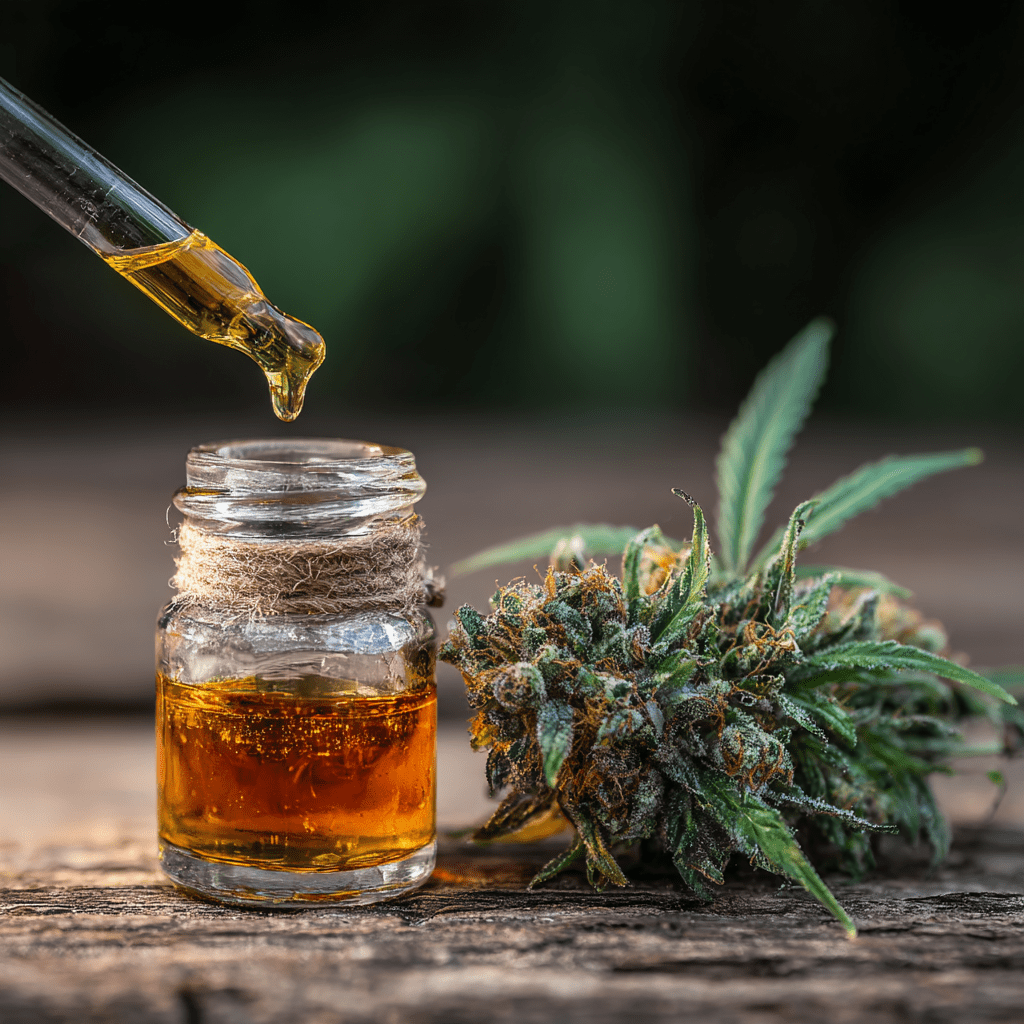
CBD and Its Impact on Skin Health
When considering skin health, I’ve found that CBD offers some fascinating benefits worth exploring. It’s packed with antioxidants, which help combat free radicals that can accelerate aging. I’ve noticed that using CBD-infused creams and oils helps soothe my skin, especially during flare-ups or irritation. The anti-inflammatory properties of CBD can reduce redness and puffiness, making my complexion look more vibrant.
Additionally, CBD may aid in regulating oil production, which is a game-changer for those of us with oily or acne-prone skin. I’ve heard from others that incorporating CBD into their skincare routines has significantly helped minimize breakouts. Plus, it’s generally well-tolerated and doesn’t cause the dryness that some other treatments can.
The Role of CBD in Digestive Health
After exploring the benefits of CBD for skin health, I’ve become curious about its role in digestive health as well. I’ve read some fascinating insights that suggest CBD can positively impact our digestive systems. Here are three ways CBD might help:
- Reducing Inflammation: CBD has anti-inflammatory properties that may soothe the gut lining, making it beneficial for conditions like IBS or Crohn’s disease.
- Alleviating Nausea: Many people find that CBD helps reduce nausea, especially during chemotherapy or after surgery, making meals more enjoyable.
- Promoting Appetite: If you struggle with appetite loss, CBD might stimulate your hunger, helping you regain interest in food.
With these potential benefits, I’m excited to see how incorporating CBD into my routine could enhance my digestive health, making everyday meals a more pleasant experience. Have you tried it for your digestion?
Exploring CBD for Addiction Recovery
How can CBD aid in addiction recovery? I’ve found that CBD can play a crucial role in managing cravings and anxiety, which are common challenges during recovery. It’s not just about quitting; it’s about finding healthier coping mechanisms. Many of us look for ways to soothe our minds without turning to substances.
Here’s a simple breakdown of how CBD can assist:
| Benefit | Description | Impact on Recovery |
|---|---|---|
| Reduces Cravings | CBD interacts with receptors that help regulate cravings. | Fewer urges to relapse. |
| Alleviates Anxiety | It promotes a sense of calm, easing anxiety related to withdrawal. | Improved emotional stability. |
| Enhances Mood | CBD can elevate your mood, making the recovery process more bearable. | Increased motivation to stay sober. |
I believe incorporating CBD into a recovery plan can offer significant support, helping many like us reclaim our lives.
CBD and Immune System Support
While focusing on recovery, I’ve noticed that supporting my immune system is just as important. That’s where CBD comes in. I’ve found that incorporating CBD into my routine can help fortify my body in several ways. Here are three benefits I’ve experienced:
- Reduced Inflammation: CBD helps lower inflammation, which can keep my immune system functioning optimally.
- Enhanced Response: It promotes a balanced immune response, ensuring my body reacts appropriately to threats without overreacting.
- Stress Relief: CBD aids in managing stress, which is crucial since high stress can weaken my immune defenses.
How CBD Can Benefit Athletes
As an athlete, I’ve found that incorporating CBD into my routine can significantly enhance my performance and recovery. After intense workouts, I often deal with soreness and inflammation. CBD seems to help reduce these issues, allowing me to bounce back quicker. I’ve noticed that my muscles feel less tight, and I’m able to train harder without as much downtime.
Additionally, CBD helps me maintain focus and clarity during competitions. When nerves kick in, I take a dose, and it helps calm my mind, keeping me centered. I also appreciate that it supports my overall well-being without the psychoactive effects of THC.
Sleep is crucial for recovery, and CBD has improved my sleep quality. I fall asleep faster and wake up feeling refreshed, ready to tackle my next training session. Overall, CBD has become an essential part of my regimen, helping me perform at my best.
The Effects of CBD on Mood Disorders
CBD has shown promise in alleviating symptoms of mood disorders, which I’ve personally experienced. When I started using CBD, I noticed some remarkable changes in my emotional well-being. Here’s what I found:
- Reduced Anxiety: I felt a wave of calm wash over me, making daily stressors feel more manageable.
- Improved Sleep: With a clearer mind, I drifted off to sleep more easily, waking up refreshed and ready to tackle the day.
- Elevated Mood: I found that my overall outlook brightened, allowing me to enjoy activities I once found draining.
These effects transformed my days, turning moments of despair into opportunities for joy. If you’re considering CBD for mood disorders, I encourage you to explore its potential benefits. It’s been a game-changer for me, and I hope it can help you too.
Integrating CBD Into Your Wellness Routine
When you’re looking to enhance your wellness routine, integrating CBD can be a simple yet effective step. I’ve found that starting with a low dose is key. This way, I can gauge how my body reacts and adjust accordingly. Whether I prefer oils, capsules, or edibles, I make sure to choose high-quality products from reputable brands.
I usually take my CBD in the morning to kickstart my day or in the evening to unwind after a busy schedule. Pairing it with mindfulness practices, like meditation or yoga, amplifies its benefits. I’ve noticed improved focus and reduced anxiety, which makes my day-to-day life smoother.
Don’t forget to listen to your body. Everyone responds differently, so it’s essential to find what works for you. By consistently incorporating CBD into my routine, I’ve experienced a more balanced and positive lifestyle. Embracing this natural option can truly make a difference.
Safety and Side Effects of CBD
While exploring the potential benefits of CBD, it’s crucial to consider its safety and possible side effects. Although many people use CBD without issues, I’ve learned that it can affect everyone differently. Here are a few side effects to keep in mind:
- Drowsiness – Some users report feeling sleepy, especially if they take higher doses. It’s important to know how CBD affects you before driving or operating machinery.
- Dry Mouth – This is a common side effect, which can be uncomfortable. Staying hydrated helps to mitigate this.
- Changes in Appetite – CBD might increase or decrease your appetite, so pay attention to how it affects your eating habits.
Choosing the Right CBD Product for You
How do you choose the right CBD product for your needs? First, I consider the type of product: oil, gummies, or topicals. Each serves different purposes, so I match the product to my specific health goals. Next, I check the concentration of CBD. Higher concentrations might be necessary for more intense issues, while lower doses can be sufficient for everyday wellness. Lastly, I always look for third-party lab testing to ensure quality and potency.
Here’s a quick comparison of different CBD products:
| Product Type | Best For | Onset Time |
|---|---|---|
| Oil | Anxiety, Pain | 15-45 minutes |
| Gummies | Sleep, Relaxation | 30-90 minutes |
| Topicals | Skin Issues | 5-15 minutes |
| Capsules | Daily Wellness | 30-60 minutes |
| Vapes | Immediate Relief | 2-10 minutes |
Frequently Asked Questions
Is CBD Legal in My State or Country?
I checked the legality of CBD in my state, and it varies quite a bit. In some places, it’s completely legal, while others have restrictions. I recommend looking up your local laws or visiting a legal website to get the most accurate information. It’s important to stay informed, especially if you plan to use CBD products. Always make sure what you’re doing aligns with the regulations where you live.
Can I Take CBD With Other Medications?
Yes, I can take CBD with other medications, but I always consult my doctor first. It’s crucial to ensure there are no potential interactions. I’ve found that some medications can be affected by CBD, so I keep my healthcare provider informed about everything I’m taking. Together, we monitor how I feel and adjust dosages if necessary. It’s all about finding the right balance for my health and well-being.
How Long Does It Take for CBD to Work?
It usually takes me about 30 minutes to two hours to feel the effects of CBD. I’ve noticed that factors like my metabolism, the method of consumption, and the dosage can all play a role in how quickly it hits. For example, when I take it sublingually, I feel it faster than when I use edibles. I recommend being patient and experimenting to find what works best for you.
What Is the Recommended Dosage of CBD?
I usually recommend starting with a dosage of 10-20 mg of CBD per day. It’s best to see how your body responds before adjusting. I found that everybody’s different, so listening to your body is key. If you don’t feel the effects, you can gradually increase the dosage every few days until you find what works for you. Just remember to consult with a healthcare professional for personalized advice tailored to your needs.
Will CBD Make Me Feel High?
No, CBD won’t make you feel high. I’ve tried it myself and found that it doesn’t produce the psychoactive effects associated with THC. Instead, CBD offers a sense of relaxation without the mind-altering buzz. I appreciate that I can enjoy its benefits without feeling impaired. If you’re looking for relief without the high, CBD is definitely worth considering. Just make sure you choose a quality product to get the best experience.
Conclusion
In conclusion, incorporating CBD into your wellness routine can bring a wealth of benefits, from reducing anxiety and alleviating pain to enhancing sleep quality. I’ve found that understanding how CBD interacts with our bodies makes it even more appealing. As you explore the right products for your needs, remember to prioritize safety and choose wisely. By doing so, you can unlock the potential of CBD and take a step toward improved health and well-being.