I find it intriguing that Trump is planning to announce a Medicare pilot program for CBD treatments. This initiative could open doors for many seniors seeking alternative therapies for chronic pain and anxiety. However, it raises questions about the implications for healthcare policy and the regulatory landscape. What challenges will this program face, and how will it shape the future of treatment options? Let’s explore the potential impact of this significant development.
Important Notes on The Topic
- The proposed pilot program aims to evaluate the effectiveness of CBD treatments among Medicare beneficiaries for various health conditions.
- Participants will receive CBD treatments and their experiences will be monitored by healthcare providers.
- The program seeks to explore alternative therapies while ensuring compliance with existing regulations surrounding CBD usage.
- CBD, derived from hemp, is recognized for its potential benefits in pain management and anxiety relief without psychoactive effects.
- This initiative could pave the way for expanded insurance coverage and increased research funding for CBD treatments in healthcare.
Overview of the Proposed Pilot Program
As we dive into the proposed pilot program for CBD treatments under Medicare, it’s essential to understand its goals and structure. This program aims to evaluate the effectiveness of CBD in treating various health conditions, particularly those that traditional medications may not adequately address. By focusing on a targeted group of Medicare beneficiaries, the program intends to gather valuable data on CBD’s safety and efficacy.
The structure of the pilot includes a carefully selected sample of participants who will receive CBD treatments. These participants will be monitored over a specified period to track changes in their health outcomes. Importantly, the program will also involve healthcare providers who will assess and report on their patients’ experiences.
This initiative represents a significant step in exploring alternative treatments, but it’s vital to remain informed about the regulations and guidelines that will govern the program. Understanding these elements is crucial as we move forward.
Potential Benefits of CBD Treatments
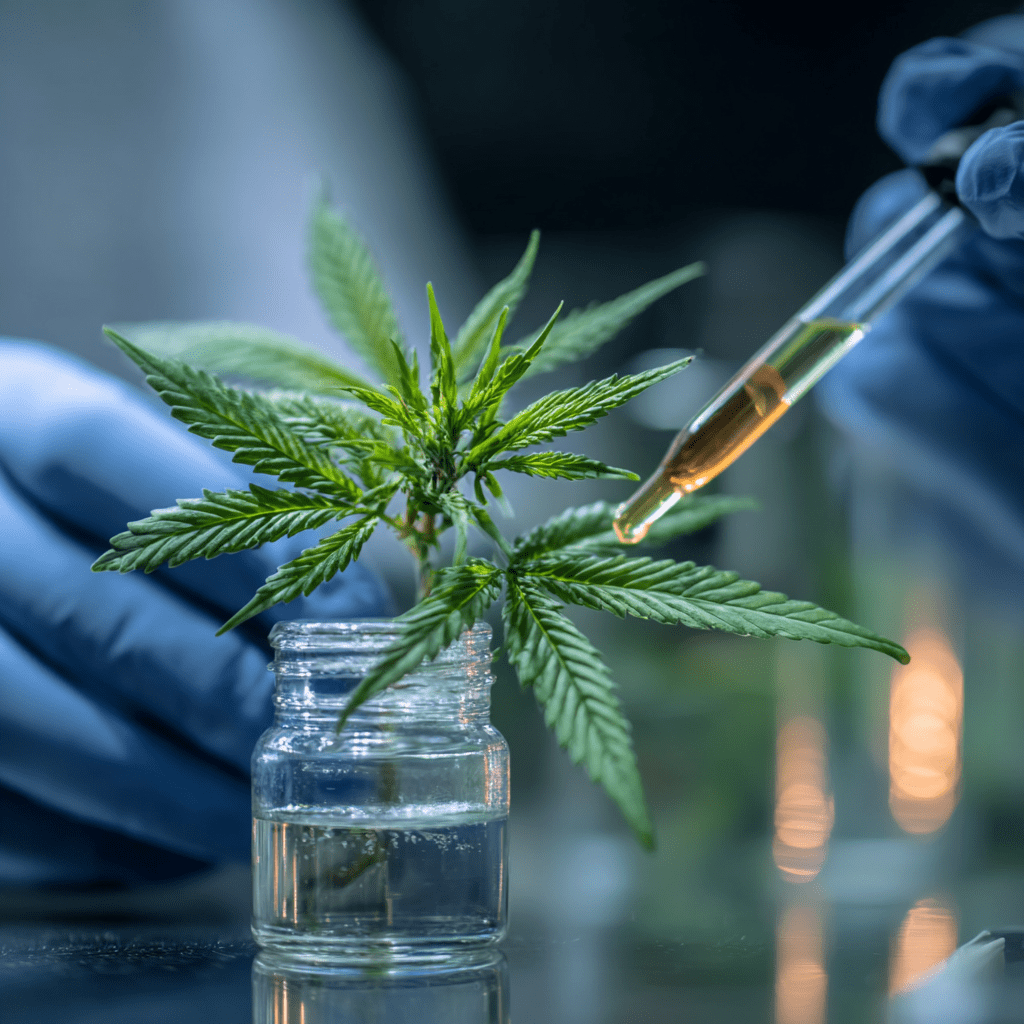
The potential benefits of CBD treatments are garnering attention, especially as the pilot program seeks to explore their effectiveness. I’ve seen how many people are turning to CBD for relief from various ailments, including chronic pain and anxiety. What intrigues me is the possibility that CBD could offer an alternative to traditional medications, which often come with unwanted side effects. Many users report improved sleep and reduced inflammation after incorporating CBD into their routines.
Moreover, the accessibility of CBD products is increasing, making it easier for individuals to try out these treatments. As more research emerges, I believe we could uncover even more benefits, possibly reshaping how we approach healthcare. If Medicare supports CBD treatments, it might pave the way for broader acceptance and understanding of this natural compound. I’m excited to see how this pilot program unfolds and what insights it brings to the medical community.
Understanding CBD and Its Medical Uses
I want to share what I’ve learned about CBD and its growing role in medicine. Many people are turning to CBD for its potential benefits, from pain relief to anxiety management. Understanding its medical uses can help us navigate this emerging field more effectively.
CBD Overview and Benefits
While many people are familiar with cannabis, the potential benefits of CBD (cannabidiol) often get overshadowed. I’ve found that CBD offers a unique approach to wellness without the psychoactive effects associated with THC. It’s derived from the hemp plant and is known for its potential to promote relaxation, reduce anxiety, and alleviate discomfort. Many users report improved sleep and a greater sense of calm when incorporating CBD into their routines. It’s also non-addictive, making it an appealing option for those looking to explore natural remedies. As research continues to unfold, I’m excited about the possibilities CBD may hold for enhancing overall well-being and supporting a healthier lifestyle. It’s definitely worth considering if you’re curious about holistic health options.
Medical Uses of CBD
Numerous studies highlight the medical potential of CBD, making it a topic of growing interest in the healthcare community. I’ve seen firsthand how people are turning to CBD for various health issues. Here are some of its key medical uses:
- Pain Management: Many use CBD to alleviate chronic pain, finding it reduces inflammation without the side effects of traditional medications.
- Anxiety Relief: CBD has shown promise in helping individuals manage anxiety and stress, providing a calming effect.
- Seizure Control: Research supports CBD’s effectiveness in reducing seizure frequency in certain types of epilepsy, offering hope to many families.
As more research emerges, I believe we’ll uncover even more benefits of CBD in medical treatments, paving the way for its acceptance in mainstream healthcare.

The Current State of CBD Legislation
As lawmakers grapple with the complexities of cannabis-derived products, the legal landscape surrounding CBD continues to evolve. I’ve watched as states have taken various approaches, with some embracing CBD for medical use while others remain cautious or outright prohibitive. The 2018 Farm Bill legalized hemp-derived CBD at the federal level, but that doesn’t mean all CBD products are fully regulated. Different states have different laws, and navigating this patchwork can be confusing.
I’ve noticed that businesses often struggle to comply with varying state regulations, which can affect product quality and consumer safety. Additionally, the FDA’s stance on CBD is still developing, leaving many questions unanswered about labeling, marketing, and health claims. As I see it, clarity is needed to ensure that consumers can access safe and reliable products. It’s clear we’re at a pivotal moment, and I’m eager to see how this legislation unfolds in the coming years.
Reactions From Healthcare Professionals
Amidst the shifting legal landscape surrounding CBD, I’ve observed a growing interest from healthcare professionals regarding its potential benefits and risks. Many doctors are cautiously optimistic but also express concerns about the lack of comprehensive research. Here are some common reactions I’ve come across:
- Support for Pain Management: Some healthcare providers believe CBD may provide effective relief for chronic pain, particularly where traditional medications have failed.
- Skepticism About Efficacy: Others are hesitant, citing insufficient clinical trials to back CBD’s therapeutic claims, especially for serious conditions.
- Concerns Over Regulation: Many professionals worry about the quality control of CBD products, given the current lack of standardization in the market.
As we move forward with this Medicare pilot program, it’s crucial for healthcare providers to stay informed and engaged in conversations about CBD to make the best decisions for their patients.
Impact on Medicare Beneficiaries
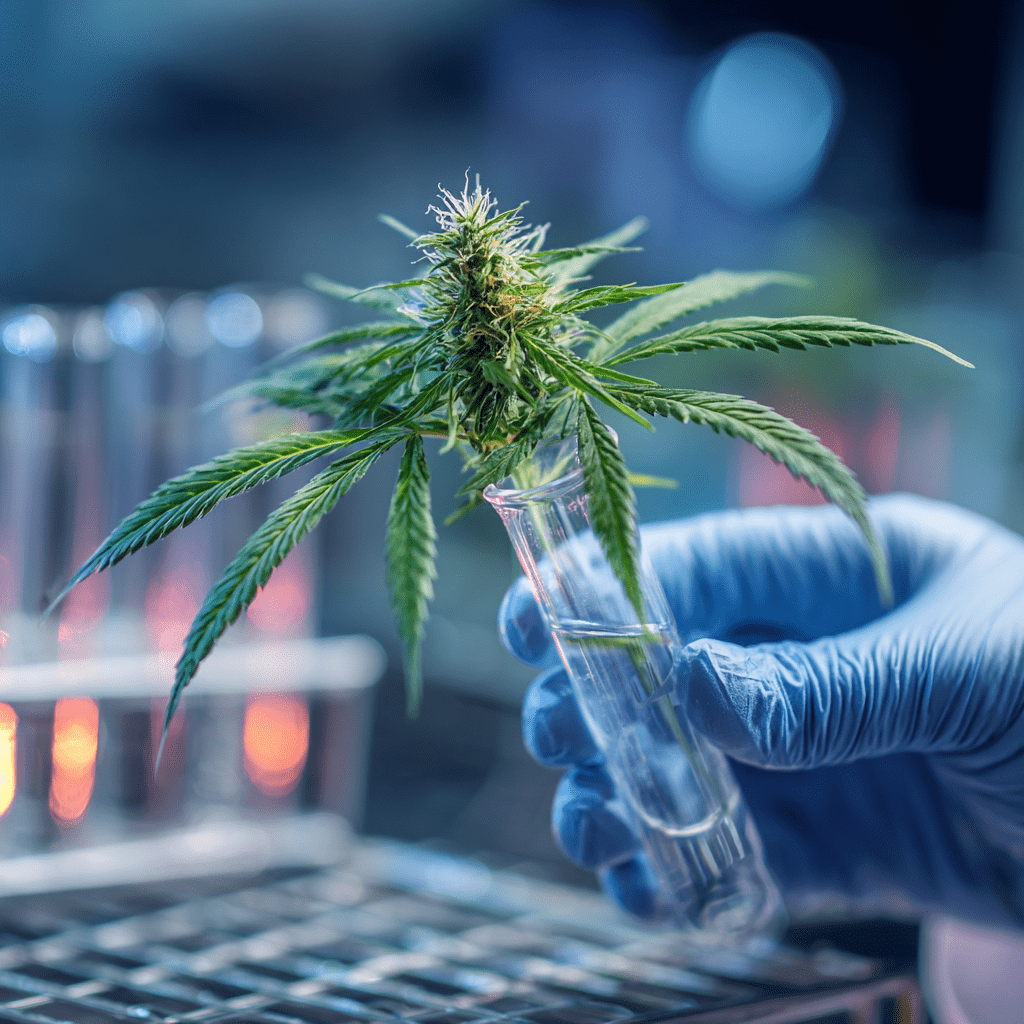
While many Medicare beneficiaries are eager to explore the potential benefits of CBD treatments, the implications of this pilot program could significantly impact their access and affordability. With Medicare stepping in to cover CBD, I can see how it might open doors for those who struggle with chronic pain or other conditions. Suddenly, these treatments could become more accessible, reducing the financial burden on beneficiaries like me.
However, I also wonder how this will affect our current healthcare options. Will we have a wider selection of products and services, or will the program limit choices to specific providers? If the program works as intended, it could lead to better health outcomes and higher quality of life for many. It’s exciting to think about, but I know we’ll need to stay informed to navigate any changes that come our way as this pilot program unfolds.
Challenges and Concerns Surrounding CBD
As I explore the challenges surrounding CBD, I can’t help but notice the variability in its legal status across states. There’s also the issue of quality control, which raises concerns about what consumers are actually getting. Plus, the limitations in medical research make it tough to fully understand the implications of CBD use.
Legal Status Variability
Despite the growing acceptance of CBD in various sectors, its legal status remains a complex and often confusing issue. I’ve found that navigating these laws can be quite challenging. Different states have different regulations, and the federal government’s stance adds another layer of complexity. Here are some key points to consider:
- State Variability: Some states fully embrace CBD, while others impose strict regulations or outright bans.
- Delta-9 vs. Delta-8: The legality of different types of cannabinoids can differ, complicating consumer choices.
- Medical vs. Recreational Use: Laws may vary significantly based on whether CBD is used for medical or recreational purposes.
As a consumer or provider, staying informed is crucial to avoid legal pitfalls.
Quality Control Issues
Quality control issues in the CBD industry can be particularly daunting, especially since consumers deserve safe and effective products. I’ve seen firsthand how inconsistent labeling and varying potencies can lead to confusion and distrust. Many brands don’t conduct thorough third-party testing, which raises concerns about contaminants like pesticides or heavy metals. I often worry about the lack of standardization in extraction methods, which can significantly impact product quality. Furthermore, with so many products on the market, it’s tough to know what’s genuinely reliable. As a consumer, I want transparency and assurance that what I’m taking is both safe and beneficial. Until these quality control challenges are addressed, I feel hesitant about fully embracing CBD treatments for wellness.
Medical Research Limitations
The challenges surrounding quality control in the CBD industry aren’t just limited to product safety; they also extend to the research backing these treatments. I can’t help but feel concerned about the limitations in medical research that affect our understanding of CBD. Here are a few key issues I see:
- Lack of Large-Scale Studies: Most existing studies are small and lack diversity, making it hard to generalize findings.
- Regulatory Hurdles: The legal status of cannabis has hindered comprehensive research, leaving gaps in knowledge.
- Conflicting Results: Different studies often produce varying results, which can confuse consumers and healthcare providers.
These limitations can impact the effectiveness and safety of CBD treatments, making it crucial for ongoing research to address these concerns.
Comparison With Other Alternative Therapies
While exploring the potential benefits of CBD treatments through the Medicare pilot program, it’s essential to compare these options with other alternative therapies. For instance, acupuncture and chiropractic care have gained popularity for managing pain and anxiety. Both methods have substantial anecdotal support and some research backing their effectiveness.
On the other hand, herbal remedies like turmeric and ginger are often used for inflammation and digestive issues. They’re generally well-tolerated and can complement CBD treatments.
However, unlike CBD, these therapies often lack extensive clinical trials. Additionally, patients must consider potential interactions with other medications, which is crucial when exploring treatment options.
In my experience, finding the right alternative therapy often requires personal experimentation. Each person’s response varies, so what works for one may not work for another. It’s about finding a holistic approach that aligns with individual needs and preferences.
The Future of CBD in Healthcare Policy

As we look ahead, the integration of CBD into healthcare policy could reshape treatment paradigms significantly. I believe that with the right approach, we can see a shift in how we perceive and utilize CBD in medical settings. Here are a few key areas where I think we’ll make progress:
- Insurance Coverage: Expanding coverage for CBD treatments could increase accessibility for patients who need alternative therapies.
- Research Funding: Increased investment in scientific studies may help us understand CBD’s efficacy and safety, leading to more informed healthcare decisions.
- Regulatory Frameworks: Establishing clear guidelines for CBD products will enhance consumer confidence and ensure quality standards.
With these changes, I’m optimistic that CBD can play a vital role in modern medicine, offering new hope for patients seeking relief from chronic conditions. It’s an exciting time, and I can’t wait to see how this unfolds.
Public Opinion on CBD Integration Into Medicare
Many people are curious about how CBD could fit into Medicare, especially as discussions around its medical benefits gain momentum. I’ve noticed a growing interest in CBD among older adults seeking alternative treatments for chronic pain, anxiety, and other conditions. From what I’ve read, many supporters believe integrating CBD into Medicare could enhance patients’ quality of life and reduce reliance on opioids.
However, there’s also skepticism. Critics argue that more research is needed to fully understand CBD’s effects and potential side effects. They worry that rushing to include it in Medicare might lead to misuse or inadequate oversight.
In my view, public opinion seems divided; some embrace the idea, while others remain cautious. I think it’s crucial for policymakers to consider both sides. If done right, integrating CBD into Medicare could offer significant benefits, but it must be approached thoughtfully to ensure patient safety and efficacy.
Frequently Asked Questions
How Will Beneficiaries Apply for the Pilot Program?
To apply for the pilot program, beneficiaries will likely need to fill out an application form, which could be available online or through Medicare offices. I’d recommend checking the official Medicare website for updates as details emerge. You might also want to consult your healthcare provider to ensure you meet the eligibility criteria. Staying informed will help you navigate the process smoothly and access the benefits if the program rolls out.
What Types of CBD Treatments Will Be Covered?
I believe the pilot program will cover various types of CBD treatments, including oils, capsules, and topical applications. These treatments are gaining attention for their potential benefits in managing pain, anxiety, and other conditions. However, I’m curious about the specific formulations and dosages that’ll be included. It’s essential for beneficiaries to have access to effective options, so I’m eager to see how this program unfolds and what it ultimately offers.
Who Will Oversee the Pilot Program’s Implementation?
The pilot program’s implementation will likely be overseen by a designated federal agency, such as the Centers for Medicare & Medicaid Services (CMS). They’ll ensure that the program runs smoothly, adhering to regulations and standards. I think it’s crucial for such oversight to guarantee that patients receive safe and effective CBD treatments. Keeping track of the program’s progress will help evaluate its success and make necessary adjustments along the way.
How Long Will the Pilot Program Run?
I’ve heard the pilot program will run for about two years. It’s designed to gather data and assess the effectiveness of the treatments, so that gives us a good timeframe to see how things develop. I’m really curious to see how it unfolds and what kind of impact it’ll have on people’s access to CBD treatments. I think it could be a significant step forward in healthcare options.
Will There Be Any Costs for Beneficiaries Participating?
I believe there might be some costs for beneficiaries participating in the program. While Medicare often covers certain treatments, there can be out-of-pocket expenses like deductibles, copayments, or coinsurance. It’s essential for beneficiaries to review their individual plans and understand what costs they may face. I recommend speaking with a Medicare representative or checking official resources to get the most accurate and up-to-date information specific to their situation.
Conclusion
In conclusion, Trump’s proposed Medicare pilot program for CBD treatments could be a game-changer for many seniors seeking alternative therapies. By exploring the effectiveness of cannabidiol, we might see a shift in how we approach chronic pain and anxiety management. While challenges remain, the potential benefits of integrating CBD into healthcare are promising. I’m excited to see how this program develops and what it could mean for the future of treatment options available to us all.